


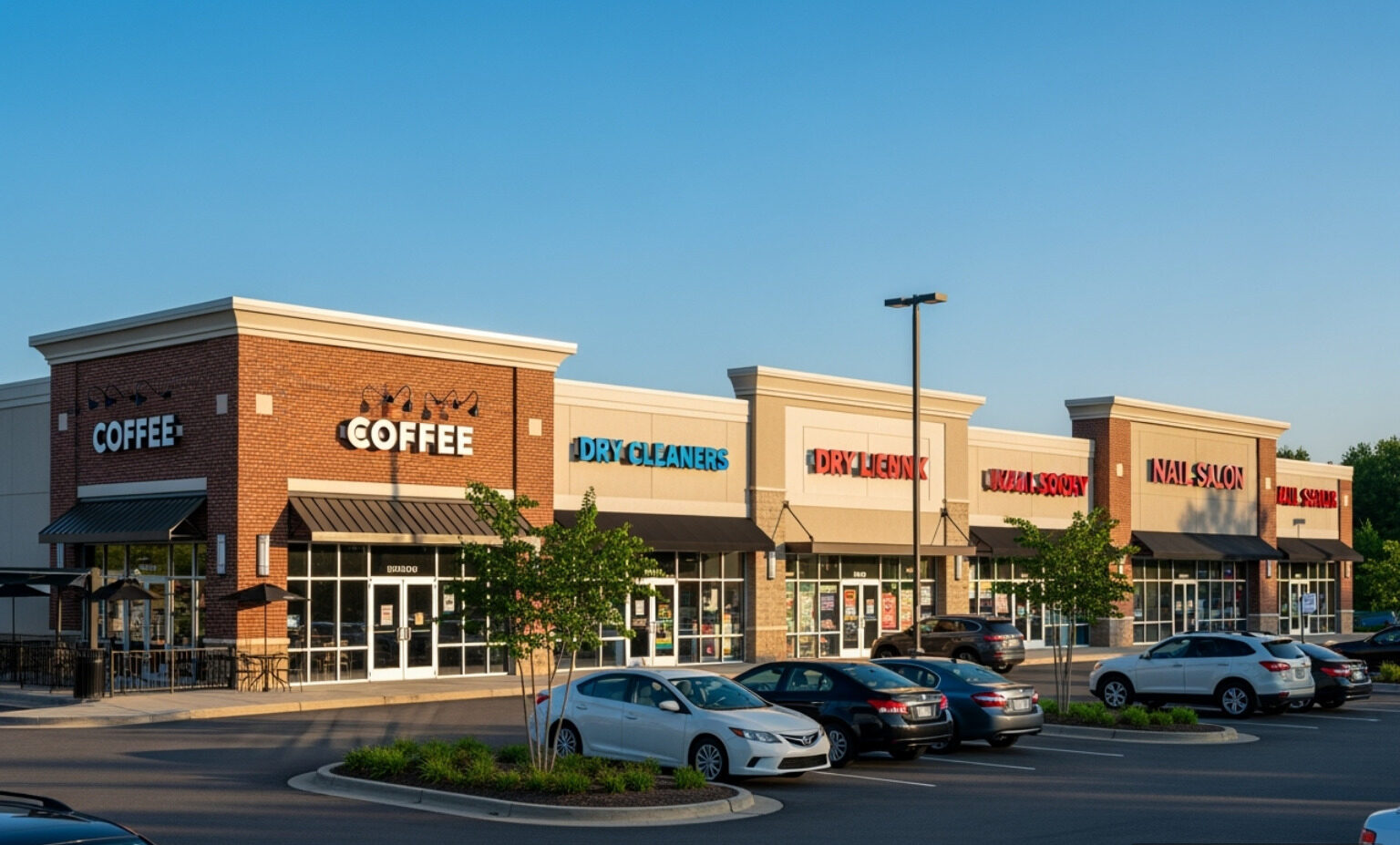
Retail property success depends on more than square footage. When foot traffic slows, tenant demand changes, or lease terms become harder to manage, owners and investors need financing that supports the property, not just the purchase price. In retail real estate in Los Angeles, that can mean funding for acquisitions, refinancing, improvements, or repositioning plans that keep the asset competitive.
Retail spaces include shopping centers, high-street stores, malls, and standalone outlets. The right financing approach helps these properties stay attractive to tenants and valuable to investors.
Retail performance is closely tied to consumer behavior, location quality, and the strength of the tenants in place. E-commerce has changed what tenants want, which means landlords often need to rethink their layout, experiences, and visibility.
A well-structured loan should support both current performance and future stability.
Commercial retail space in Los Angeles can perform well when the location supports visibility, convenience, and repeat customer traffic. Properties near strong neighborhoods, busy corridors, and well-anchored centers often have more appeal to lenders and tenants.
The stronger the location, the easier it can be to support long-term retail value.
Retail property investment in LA often makes sense when a buyer sees value in a property that can be improved, re-leased, or repositioned. Some investors focus on stable income, while others look for assets with room to grow through better tenant selection or upgrades.
Retail investments work best when the financing supports the business plan behind the asset.
A strong purchase strategy starts with understanding the asset before closing. Retail real estate acquisition in LA usually depends on the rent roll, lease expirations, property condition, and the market around the site.
That review helps buyers avoid surprises and choose a property that matches their goals.
Retail real estate financing in Los Angeles can support several different project types. Some borrowers need funding for a new acquisition. Others want to refinance existing debt, fund tenant improvements, or support a value-add plan.
The best structure is the one that fits the property’s current condition and plan.
Retail property loans in Los Angeles are often used when owners need a structure that supports change. Retail assets may need updates, new tenants, or a different leasing strategy to stay productive. Financing should make those moves easier, not more difficult.
When the loan fits the project, the property is more likely to remain competitive.
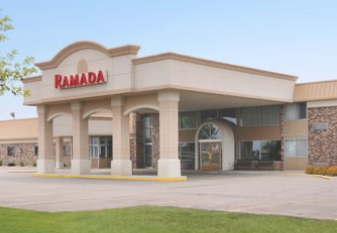
Owners and investors across shopping centers, storefronts, mixed-use assets, and standalone retail buildings often use commercial retail financing in California. The right financing can help support stable income while leaving room for future growth.
This kind of financing works best when the asset has a clear market position and a realistic income plan.
Retail lending works best when the financing aligns with tenant demand, property condition, and the long-term business plan. Investors usually want clear terms, practical guidance, and a lender who understands how retail properties actually perform.
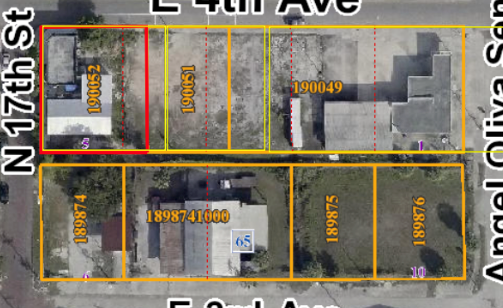
Whether you are acquiring a retail asset, refinancing an existing property, or planning improvements to attract and retain tenants, the right financing strategy can help support long-term performance and investment growth. Revallon Capital Group works with property owners and investors to identify funding solutions that align with their goals, property needs, and market opportunities.
Contact us today to discuss commercial retail financing in California and explore the right financing solution for your next retail project.
Lenders and investors often review location, tenant mix, lease terms, and foot traffic before moving forward.
It can be, especially when the property has strong visibility, reliable demand, and room for improvement.
Location, tenant quality, rental income, and the ability to reposition the space all play a major role.
Look at lease expirations, property condition, tenant strength, and long-term income potential.
Yes, it can support improvements, refinancing, tenant upgrades, and repositioning plans.