


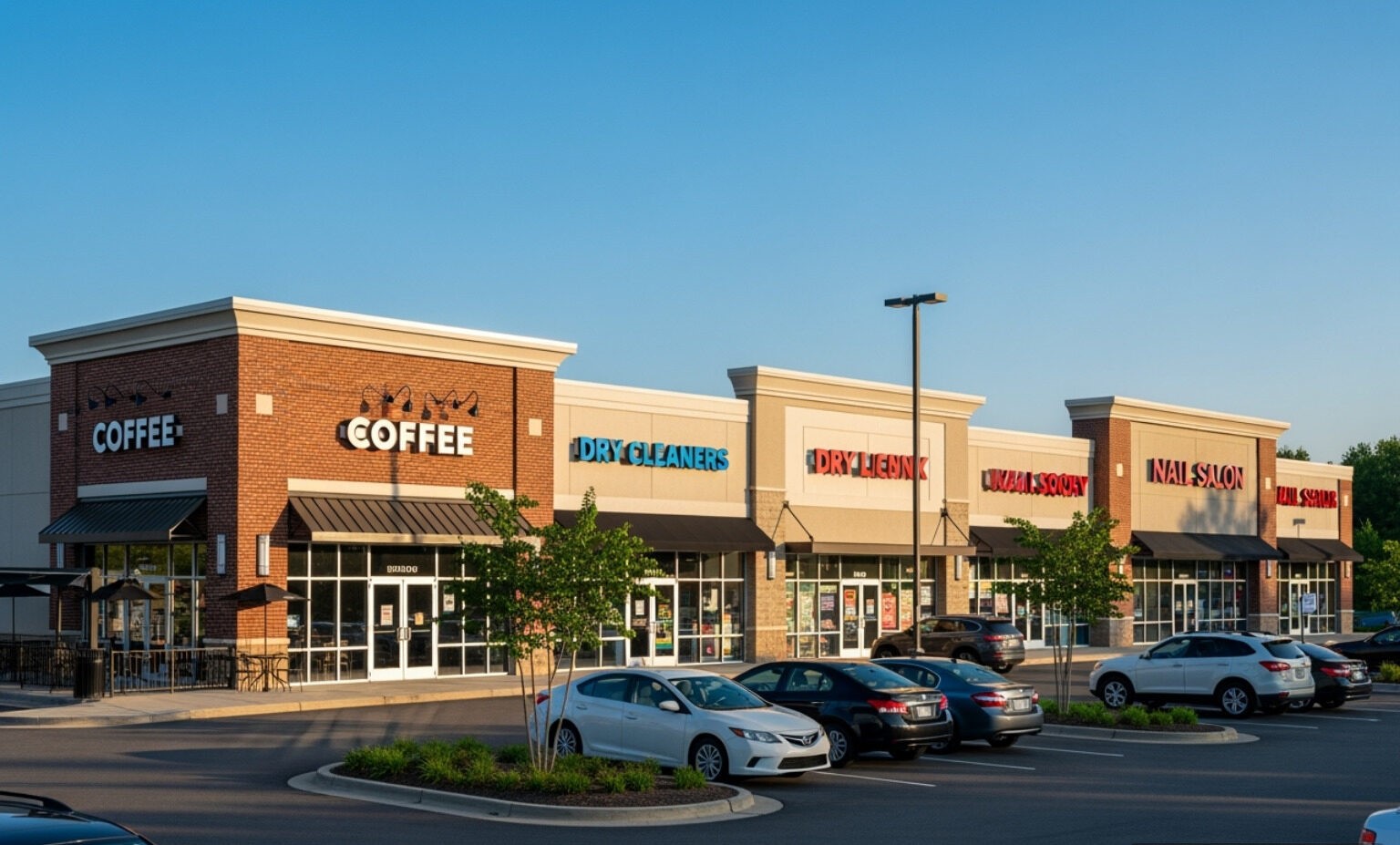
Retail property investment in LA can still be financed through several loan types, but the best option depends on the property, the borrower, and the market. In simple terms, financing helps investors buy, improve, or refinance retail space without paying the full cost upfront.
This matters because retail real estate in Los Angeles is active, competitive, and tied closely to location, tenant quality, and cash flow. In this blog, you will learn what financing options exist, how lenders review deals, and what can improve approval odds.
Retail properties are spaces where businesses sell goods or services to customers. These may include shopping centers, strip malls, street retail, single-tenant stores, and mixed-use retail buildings.
The goal is usually simple. Investors want steady rent now and stronger value later.
A retail property works best when the location brings traffic, the tenants stay long-term, and the property fits local demand.
Los Angeles has a large customer base and strong spending activity. That keeps retail investment interest high in many parts of the city.
Because of that, good retail spaces often get attention fast. Properties in busy corridors, urban streets, and strong shopping districts usually perform better than weaker locations. Stable tenants also matter a lot.
Investors have several ways to fund a retail deal. The right option depends on how stable the property is and what the investor plans to do with it.
These are often used for stable properties with consistent income. Lenders usually focus on cash flow and property value.
These can work well for owner-occupied retail businesses. They often require less upfront cash than some other loan types.
These are short-term loans used for purchases, repositioning, or lease-up periods. They help investors move fast before permanent financing is ready.
CMBS loans can suit larger stabilized retail assets. Private lenders can offer faster decisions and more flexible terms.
| Loan Type | Best For | Main Benefit |
| Traditional loan | Stable retail assets | Long-term structure |
| SBA loan | Owner-occupied retail | Lower down payment |
| Bridge loan | Quick deals or repositioning | Fast access to capital |
| CMBS loan | Larger stabilized assets | Strong fixed structure |
| Private loan | Flexible or fast closings | Speed and flexibility |
The process usually starts with pre-qualification. The lender checks the borrower’s credit, income, and general financial strength.
Next comes the property review. The lender looks at location, tenant mix, occupancy, and rental demand.
Then the borrower submits documents. These may include tax records, financial statements, and property details.
After that, underwriting begins. This is where the lender checks risk and repayment ability.
Finally, if the deal looks strong, the loan is approved and funded.
Lenders want to know if the property can support the debt and if the borrower can handle the loan.
They usually look at:
Retail properties with strong tenants and long leases often have a better chance of approval.
Retail loans can be harder when the property has high vacancy, weak cash flow, or a poor location. High prices in Los Angeles can also make financing tougher.
Lenders may also be more careful when the retail market in a certain area looks unstable. That is why preparation matters.
Retail real estate in Los Angeles still has strong value in the right locations. Demand is often strongest for food, service, and lifestyle tenants. These businesses help bring steady customer traffic.
Retail investors who focus on stable income and strong locations usually have better long-term results.
If you are planning a retail deal, the right loan structure can make a big difference. Retail property investment works best when the property, the income, and the financing all line up.
Revallon Capital Group helps investors explore retail property investment in LA financing options that fit the deal and support long-term growth.
Start with location, tenant quality, and rental income. These three factors usually drive lender confidence and long-term property value.
Los Angeles has strong consumer demand and many active retail corridors. Good locations often attract more interest from both tenants and investors.
Traditional commercial loans or CMBS financing often fit stabilized retail assets. The right choice depends on income strength and property size.
Yes. Bridge loans can help with purchases, lease-up periods, or repositioning while you work toward long-term financing.
Strong credit, solid cash flow, stable tenants, and a well-located property can all improve the odds of approval.